The 26 Million: Unpacking Pakistan's Silent Education Emergency.
Explore the reality of education in Pakistan, discover why millions are left behind, and learn how you can help drive change.
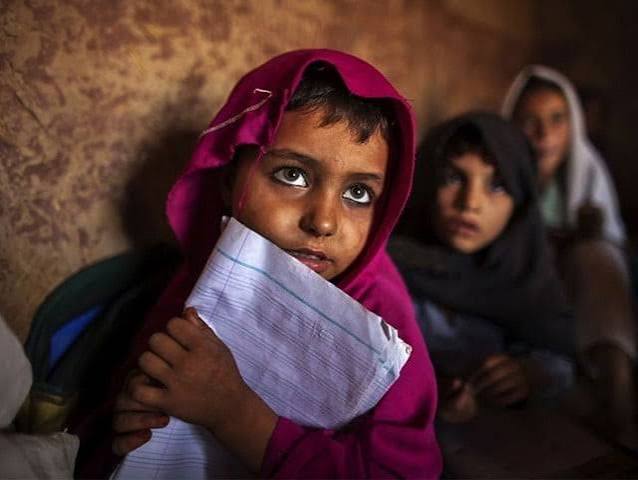
Transform Your Home Into an Educational Academy
Any quiet corner can become a powerful classroom with the right setup. By clearing away household distractions, arranging comfortable seating, and setting aside a dedicated block of time each day, you can establish an organized routine that keeps children focused on mastering core reading and math skills. Incorporating free, offline educational applications on an available smartphone or tablet allows kids to access interactive lessons and video tutorials independently. This simple structural shift bypasses the need for costly school infrastructure, allowing local families and neighborhood peer groups to bypass geographic barriers and jumpstart learning directly from the comfort of safety at home.
Free Digital Learning Tools for Your Home Academy
Taleemabad Learning App
A completely free, Ministry of Education-approved app that follows the national curriculum. It offers cartoon-based video lessons and gamified quizzes for primary school students, making foundational math, science, and languages engaging without needing a physical teacher.
Muse App (by Sabaq)
Designed specifically for Pakistani students, this interactive platform provides math, science, and English lessons through animated stories and games. It works exceptionally well for self-paced learning on affordable Android smartphones.

Million Hero (The Citizens Foundation)
This offline-friendly digital learning series uses simple stories and worksheets to build foundational literacy. It is perfect for children who have never been to school and need to catch up on basic alphabets and numbers quickly.

Myths vs. Reality: Understanding the True Barriers
- Myth: Parents in rural areas simply do not want to educate their children.
- Reality: Studies show poor families value education highly but cannot afford hidden secondary costs like textbooks and safe daily transportation.
- Myth: Building more schools will instantly fix the out-of-school children crisis.
- Reality: Almost 37% of communities lack primary schools, but existing schools suffer from severe teacher absenteeism and lack functional student bathrooms.
- Myth: Public education is entirely free for all families across Pakistan.
- Reality: While school tuition is legally free, uniform costs and basic learning supplies force low-income students out of classrooms permanently.
Top solutions to this problem
What can be done to address this crisis?
Expanding Public-Private Partnerships
Leverage proven foundation models.
Fund local entrepreneurial schools.
Scale up per-child subsidies.
Provide transparent community oversight.
Digital & Mobile Learning Labs
Deploy solar-powered tablet hubs.
Utilize gamified offline software.
Bypass missing physical infrastructure.
Deliver flexible, multi-shift schedules.
Direct Incentives for Girls' Education
Launch targeted cash transfers.
Construct secure boundary walls.
Train and deploy female educators.
Eliminate deep rural supply gaps.
Discover the
three main benefits of this platform
Verified National Data
- Access complex educational metrics.
- See clear provincial breakdowns.
- Track the core structural gaps.
- Use accurate, cited source material.
Real Human Stories
- Go beyond raw public data.
- Read direct field case studies.
- Meet the children behind statistics.
- Understand the local cultural impact.
Actionable Community Steps
- Find direct ways to help.
- Connect with grassroot non-profits.
- Share insight with local peers.
- Drive lasting structural changes.
Top questions answered
More than 25 million kids are out of school in Pakistan according to UNICEF Pakistan. It is not only affecting their lives but it has become the major reason for the downfall of this country.
Government and their parents play an important role in it. An estimated 3.3 million children in Pakistan are engaged in child labor. In low-income families, a child's ability to earn daily wages for food outweighs the long-term promise of an education. Geographical barrier is also a serious issue: Satellite data reveals that 37% of communities in Pakistan do not have a primary school within walking distance.
There are more reasons like the missing infrastructure. According to the research the government schools here lack proper toilets, furnished classes and modern curriculum.
Every single human being regardless of their backgrounds, ages should be eager to contribute to the cause. We should individually teach the kids of our helpers, we should look into our surroundings to find the students who cannot pay their fees and teach them as much as we can or we should pay their fees by collecting our pocket money. We should also visit the slums and then start our teaching academies.
If we wait for the government to come and save us, we will never prosper as a nation.
Zaahi Studio is an emergency exit from a national crisis, built inside a neighborhood living room. While policymakers debate how to fix Pakistan’s staggering 26-million out-of-school children deficit, Zaahi Studio is actively doing the work on the ground. Operating directly from home, it is a completely free, grassroots educational academy and sanctuary built to rescue local youth from the rising tide of digital and societal distractions. Instead of waiting for massive corporate funding or brick-and-mortar school infrastructure, it utilizes the raw essentials: a shared floor, a simple whiteboard ledger, and an unyielding routine. Through intensive bi-monthly life-skill seminars and personalized academic tutoring, it transforms a group of local neighborhood children into focused, confident leaders. Zaahi Studio isn't just a study space—it is a living, breathing proof of concept. It proves that to rewrite the narrative of education reform in Pakistan, you don’t need a massive budget; you just need to open your front door and start with your own neighborhood.